How to Choose the Right Paint Color (Without Driving Yourself Crazy)
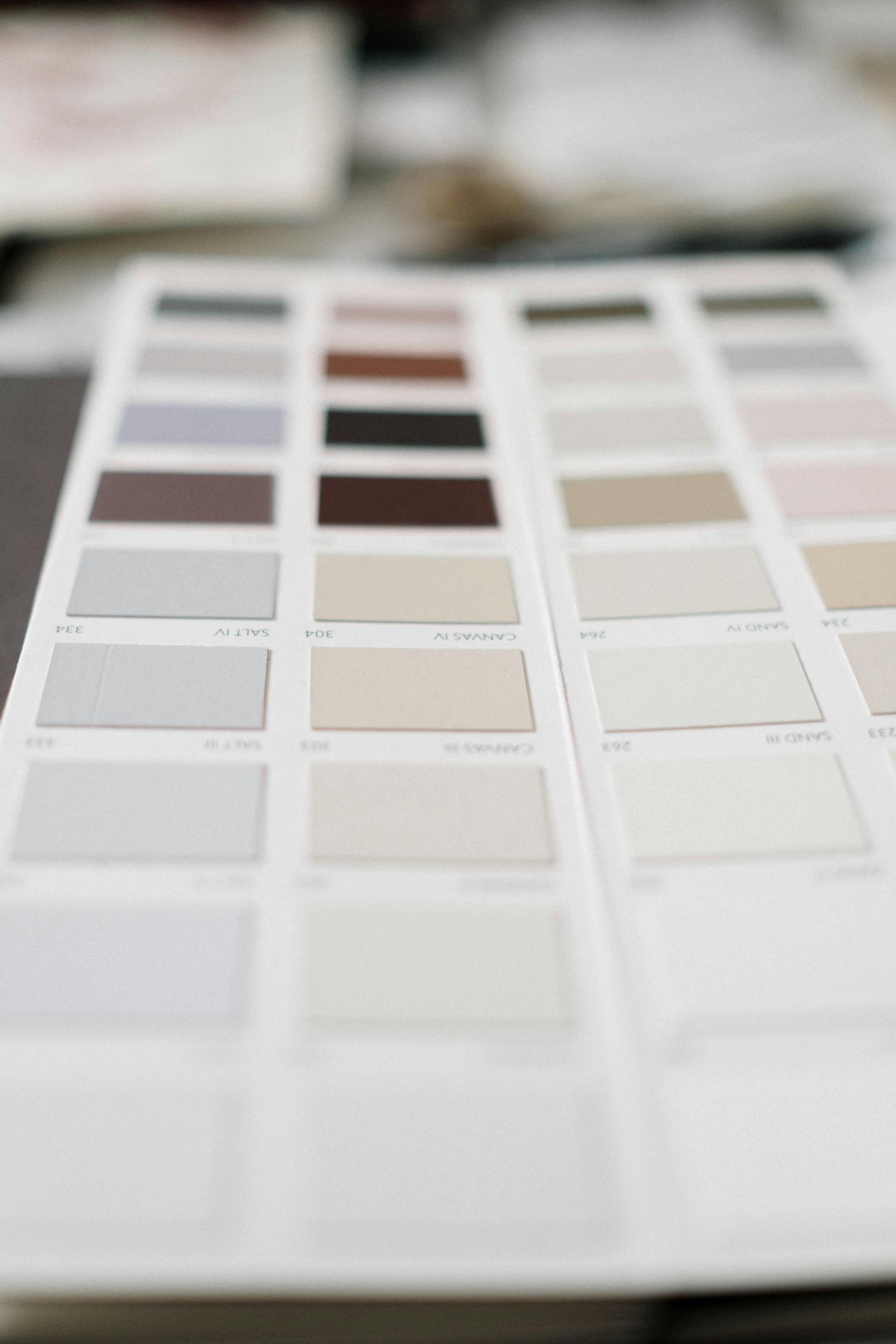
Picking a paint color is one of those decisions that sounds fun right up until you're standing in a paint store surrounded by hundreds of chips wondering how "Accessible Beige" and "Agreeable Gray" are supposed to look different in your living room. Color selection is genuinely tricky — and it's one of the most common things people get wrong on paint projects. Here's a practical guide to making it less stressful and more successful.
1. Lighting Changes Everything
The single biggest mistake people make when choosing paint colors is picking from a paint chip under store lighting and expecting it to look the same on their walls at home. It won't. Paint color shifts dramatically based on the light source — natural daylight, warm incandescent bulbs, cool LED lights, and fluorescent lighting all render color differently.
The best approach is always to test. Get sample pots — not chips — and paint large swatches (at least 12 inches square) directly on your wall. Observe them at different times of day and under your actual lighting conditions. What looks like a soft warm white in the morning sun may look flat and yellow under your evening lamps. This step is always worth the small investment in sample paint.
2. Understanding Undertones
Every paint color has undertones — secondary hues that influence how it reads in context. A gray that looks perfectly neutral on the chip may read distinctly purple, blue, or green on your walls. A white may have pink, yellow, or gray undertones that only become apparent once it's on a large surface.
Understanding undertones helps you select colors that actually work with the other elements in a room — flooring, furniture, cabinetry, and fixed finishes like countertops or tile. If your floors have warm undertones, a cool-toned gray on the walls may create an unpleasant contrast. If your kitchen cabinets lean green, a yellow-based white on the walls will fight with them.
When in doubt, ask. At Camelot Painting, we're happy to walk through color considerations with our customers — it's much easier to course-correct at the consultation stage than after a room is painted.
3. Practical Tips for Choosing Interior vs. Exterior Colors
For interiors, consider the flow between rooms — colors don't need to match, but they should relate. A common approach is to use a consistent neutral as a base throughout common areas and introduce more distinctive colors in bedrooms or accent walls. Dark colors can work beautifully in the right space but require more light and work better in rooms with good natural light or strong artificial lighting.
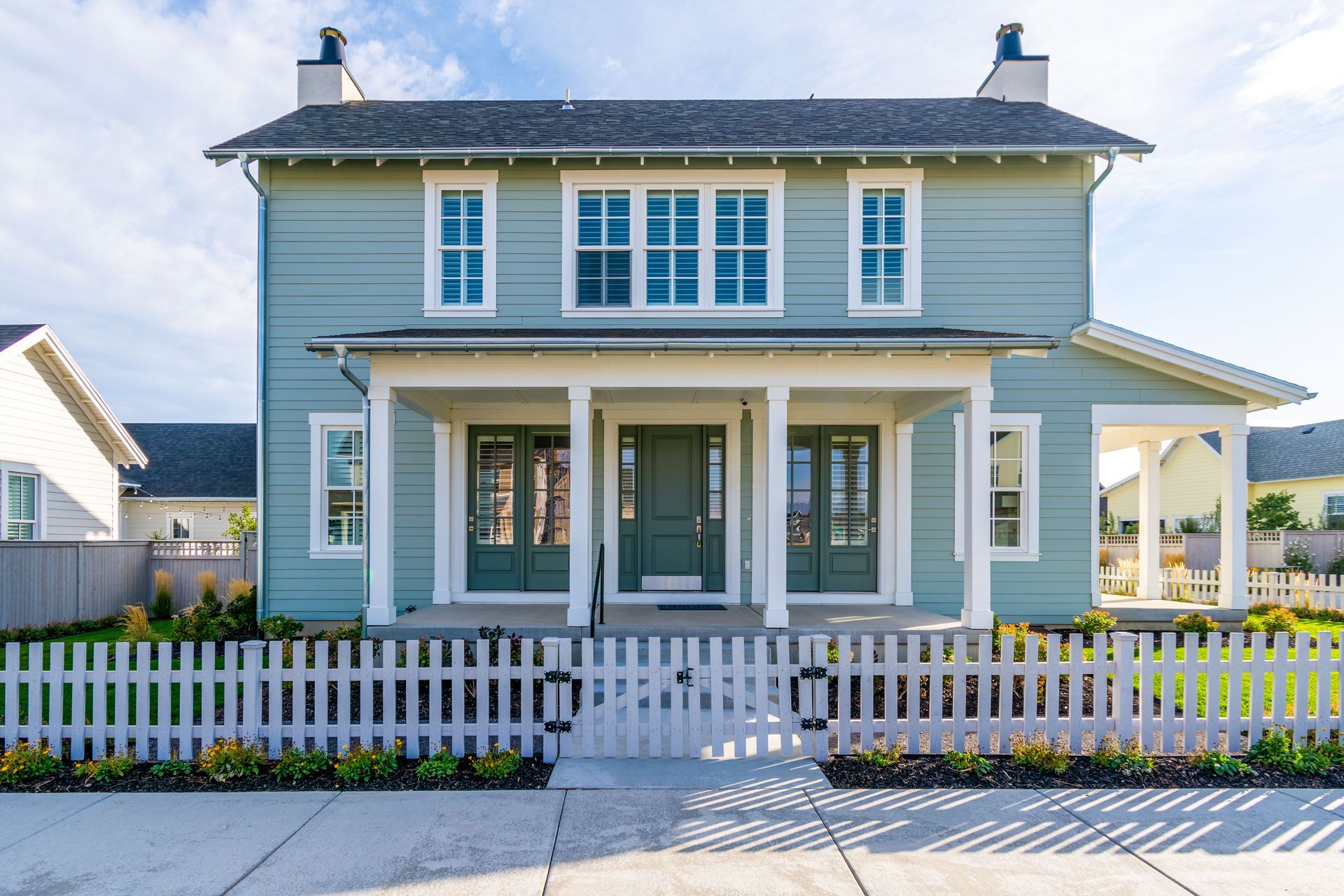
For Florida exteriors, stick with colors that hold up to UV fading — lighter and medium tones generally hold their appearance longer than very dark colors, which can fade unevenly. Deep navies, charcoals, and dark greens are popular right now and can look stunning, but they require premium UV-resistant exterior paint to stay looking good in Florida's sun.
Trim color matters as much as the main body color. A crisp white or light trim creates contrast and visual polish. A trim that closely matches the body can look elegant and modern, especially on homes with interesting architectural details worth highlighting.
Conclusion
Great color selection is part art, part science — and a lot of testing before committing. If you'd like a second set of eyes on your color choices, the team at Camelot Painting is glad to help. We've painted enough homes across Casselberry and Central Florida to know what works and what doesn't in this environment. Give us a call at (407) 720-1083 to get started on your next project.